The Walking Dead aired for 12 solid years, running for 11 seasons between 2010 and 2022. This is an achievement, especially for a zombie TV show. The secret to TWD’s longevity was, of course, its ability to adapt over time. The earlier seasons of The Walking Dead have a markedly different tone from the final chapters, with every era in between also distinct.
The multiple The Walking Dead spinoffs have leaned into this tonal variety further. The Ones Who Live was an action-packed military romance, Daryl Dixon is a globe-trotting tour of infected Europe, and World Beyond is a coming-of-age drama. Then there’s The Walking Dead: Dead City, which has season 3 arriving on July 26 on AMC and AMC+.
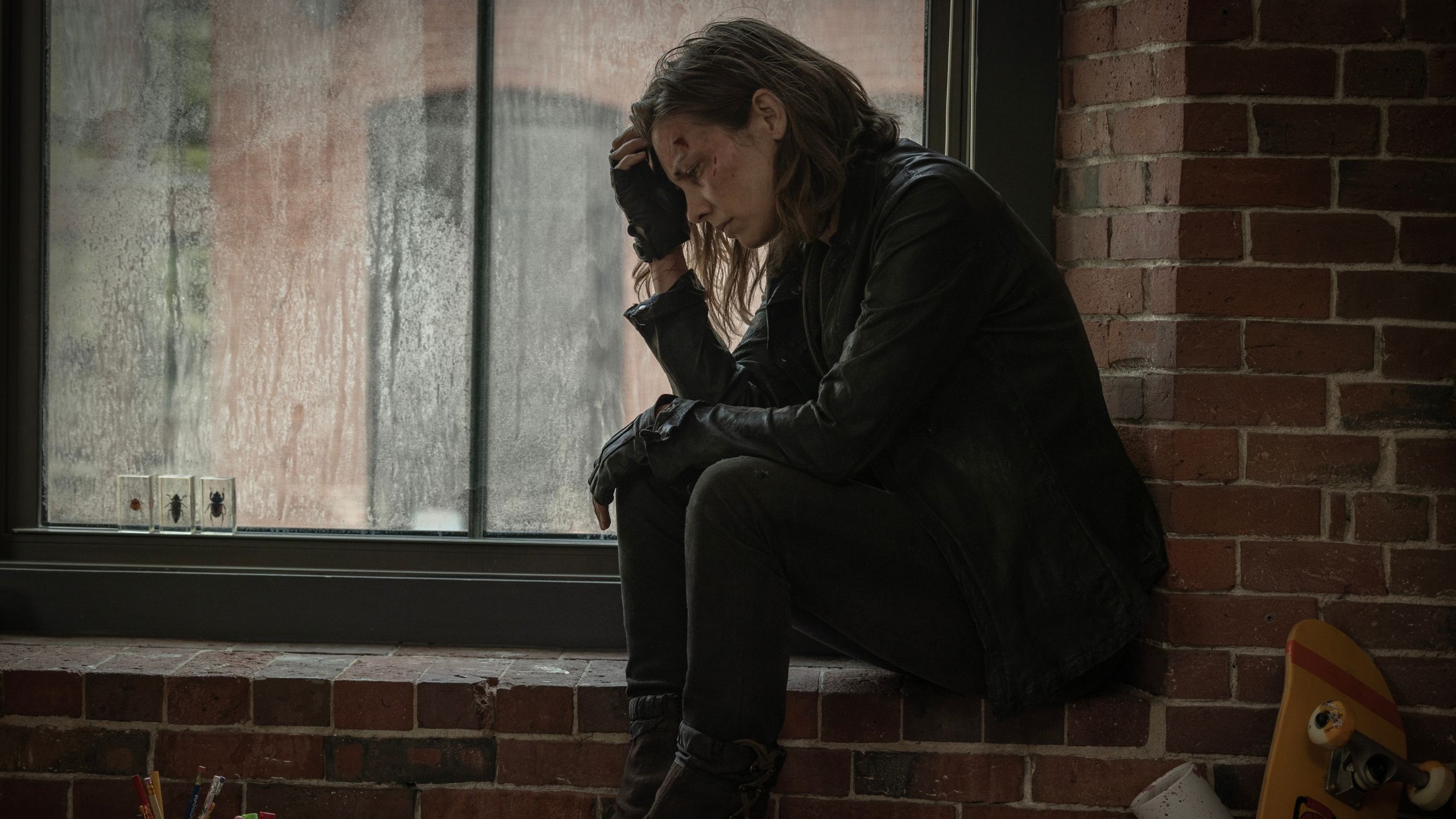
Of all the spinoffs, Dead City is one of the most interesting when it comes to tonal differences with the original show. At its core, it's a psychological drama and character study built around the complicated relationship between Maggie (Lauren Cohan) and Negan (Jeffrey Dean Morgan). Yes, there are walkers, but they’re not the focus. While it’s managed to win many fans over, many also feel it’s lost sight of what made TWD so great, and Dead City season 3 only looks set to widen the divide.
One of the most persistent criticisms of The Walking Dead: Dead City is that the walkers rarely feel like the central threat. For a franchise built on the undead apocalypse, this is difficult to ignore. When the spinoff was first announced, many fans were excited by the prospect of seeing what had become of New York City. Such a densely populated urban environment promised an overwhelming concentration of walkers unlike anything seen in the main series.
To Dead City's credit, the show's apocalyptic Manhattan initially delivered on that promise. The city felt claustrophobicly overrun by the undead. However, the zombies rarely drove the story. The primary source of tension almost always came from whichever human faction happened to be opposing Maggie and Negan. The walkers often felt secondary. Rather than the franchise's defining danger, they frequently functioned as environmental obstacles that characters simply had to navigate while dealing with more pressing human problems.
Rather than pivot on this to make walkers more of a focus, the trailer for season 3 revealed that Dead City will once again have a human-centered anchor, with zombies being depicted as simply a locational hazard. There’s even a moment where Maggie says “I need help rounding up the walkers” in a tone more fitting for asking for assistance with a maintenance problem rather than the existential threat that defined early seasons of The Walking Dead.
That shift isn't necessarily bad. The season's narrative looks interesting, and the ongoing evolution of Maggie and Negan's relationship remains one of the franchise's best character dynamics. Even so, it's difficult to deny that Dead City’s 2026 return feels further removed than ever from the bleak zombie horror atmosphere that made The Walking Dead a success.
Not only does The Walking Dead: Dead City seem to be leaning further away from zombie-based horror, it also seems to continue the spinoffs habit of ignoring the TWD franchise’s most interesting new development: variant walkers. First introduced with a fast walker in a post-credits scene of The World Beyond, variant walkers have helped keep the threat of the undead in the TWD universe varied and exciting. Other spinoffs like The Walking Dead: Daryl Dixon have featured many variant walkers, including zombies with acidic blood and super strength.
Initially it seemed like Dead City would follow this trend. During episode 5 of the first season, Maggie encountered the Walker King, a terrifying mutant made of multiple zombies fused together. However, since then, Dead City hasn’t expanded its roster of unusual undead threats. As the show rolled into season 2, walkers became less prominent overall, and the ones that do appear are typically standard versions rather than innovative variants.
The Dead City season 3 trailer does little to suggest that trend will change. None of the preview footage showcases a new type of walker, nor does it contain dialogue hinting at a mysterious new undead threat waiting to emerge. The focus remains firmly on the human drama. While this doesn’t at all mean that season 3 of The Walking Dead: Dead City will be bad, it does further hammer home the point that the Maggie and Negan spinoff feels somewhat disconnected from the spirit of what made TWD so enjoyable in the first place.