The 2000s were an exceptional decade for science fiction television, a golden age for the genre much in the same vein as the 1990s. Packed with refreshingly creative ideas, cutting-edge special effects, groundbreaking serialized stories, and a shift toward more "prestige" television, the living room was the place to be for sci-fi fans during the 2000s.
The whole decade had exceptional sci-fi shows both for kids and for grown-ups; for animation fans and for those who prefer live-action sci-fi; for those who love "mystery box"-type shows and for those who love more straightforward space operas. But over the course of those 10 years, the 2000s only produced 10 sci-fi TV shows that can truly be considered masterpieces.
Children deserve sci-fi masterpieces, too; and during the 2000s, they never got one better than Phineas and Ferb. It's one of those Disney Channel shows that are perfect from start to finish, a modern classic that allowed 2000s kids to grow up with a cartoon of the same level of quality as the many sci-fi cartoons their parents had grown up watching.
It's a show so good, in fact, that you'd be hard-pressed to find an adult sci-fi fan who wouldn't have a blast with the series' entire run. The show was recently revived on Disney+ after a decade-long hiatus, and it doesn't seem to have lost one bit of its spark while it was away. But the two seasons of Phineas and Ferb that aired during the 2000s were where it all got started, and it's one of the most vibrant, colorful, funny, and heartwarming children's cartoons from its era you could find.
Perfect for those who love when science fiction goes as meta as it can possibly get, Richard Ayoade and Matthew Holness' Garth Marenghi's Darkplace is nothing short of a must-see. It's one of those classic sitcoms that are even better than most modern shows, a horror parody that has grown into more and more of a cult classic as the years have gone by.
The show is a masterclass in parodic and satirical television writing, poking fun at both low-budget sci-fi television and the pretentiousness of those shows' creators. Brilliantly layered and irresistibly hilarious, Garth Marenghi's Darkplace is a genius sci-fi comedy that all those who love the clunkier sci-fi shows of the 1980s should check out.
Genndy Tartakovsky is one of the biggest legends and icons of the world of cartoons, a champion of the animated medium who has made some of the greatest shows it has ever seen. Case in point: Samurai Jack, which blends elements of feudal Japanese lore with bits of retrofuturistic science fiction in a way that has aged like fine wine.
Indeed, it's one of the best sci-fi shows of the 2000s by a decent margin, the only proof any sci-fi fan should need that cartoons deserve to be placed alongside any live-action show when talking about the genre's best television outings. Stylish, masterfully genre-bending, visually gorgeous, and with a bloody and more mature final season that feels like it grew up with its audience, it's undeniably peak 2000s science fiction.
After leaving his showrunning duties relatively early in the run of a certain other masterful sci-fi show from the 2000s, J. J. Abrams co-created Fringe with Alex Kurtzman and Roberto Orci. What started as a more episodic spiritual successor to the likes of The X-Files and The Twilight Zone soon started to evolve into entirely its own thing, a more serialized story perfect for parallel universe fans and fringe science enthusiasts.
As it changed over the course of its five-season run, Fringe kept growing more and more into one of the most rewatchable sci-fi shows of all time. It's perfect for science fiction fans who love both deeply emotional stories and elements of heavy speculative science. It's easy to see how such a masterful show revolutionized "monster-of-the-week"-type genre shows.
Life on Mars is one of those mystery shows that are perfect from start to finish, yet not many fans of sci-fi remember it today. That's an absolute travesty. This British police procedural is one of the best shows of its kind, as well as one of the most unique. Here, science fiction isn't the focus. Rather, it's cleverly used as both a powerful thematic device and a fuel for the show's psychological mystery.
Those who prefer hard sci-fi that makes ample use of genre elements won't likely love Life on Mars, but people who like to see the genre's boundaries pushed to their limits ought to watch it at least once in their lives. Gritty, tense, mysterious, and potently character-driven, it's proof of why no one does police procedurals quite like British television-makers.
Your answers point to the world your instincts were built for. This is the universe your temperament, your survival instincts, and your particular brand of stubbornness were made for.
You took the red pill a long time ago — probably before anyone offered it to you. You're a systems thinker who can't help but notice the seams in things.
The wasteland doesn't reward the clever or the well-connected — it rewards those who are hard to kill and harder to break. That's you.
You'd survive here because you know how to exist in moral grey areas without losing yourself completely.
Arrakis is the most hostile environment in the known universe — and you are precisely the kind of person it rewards.
The galaxy far, far away is vast, loud, and in a constant state of violent political upheaval — and you wouldn't have it any other way.
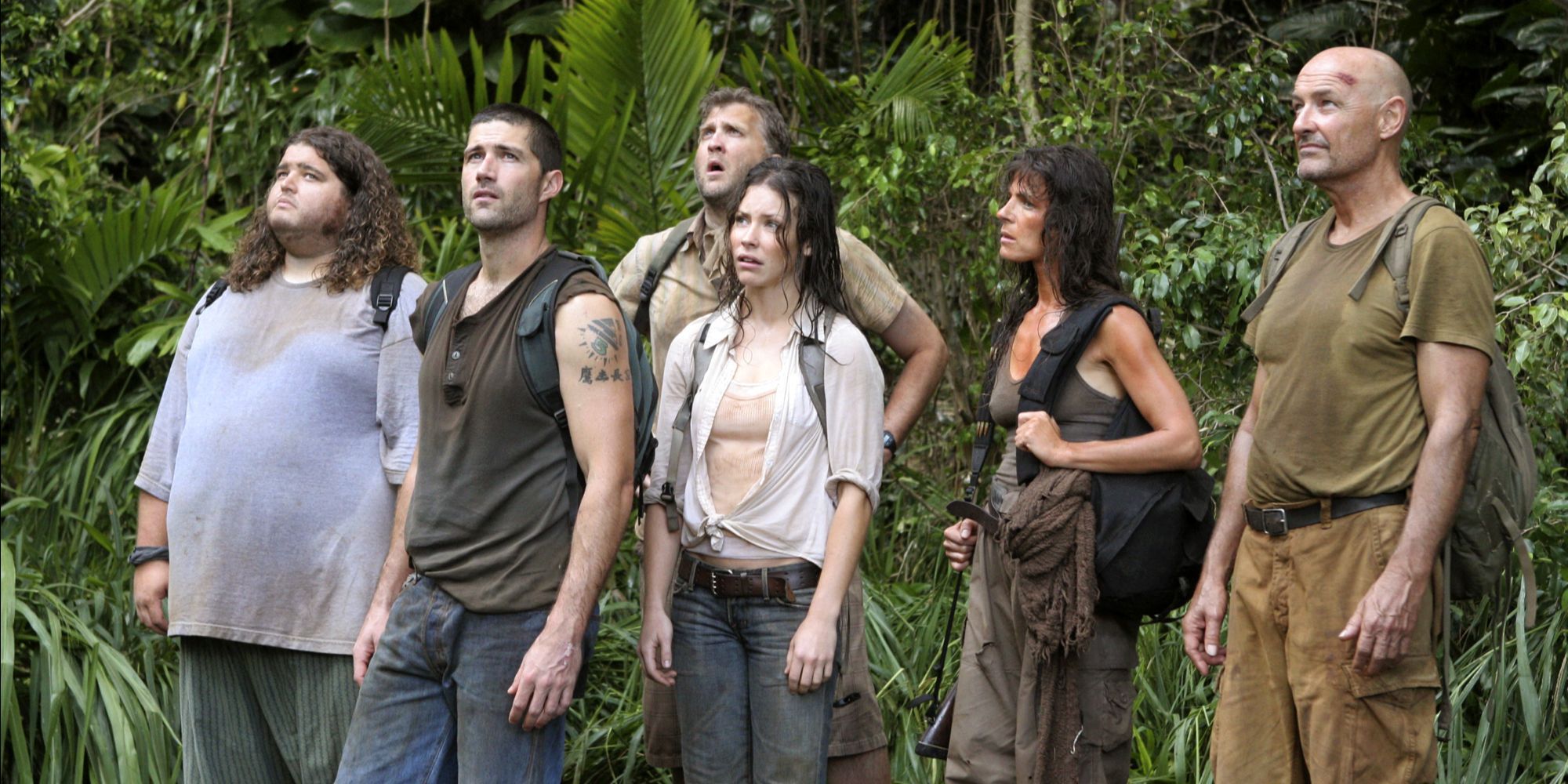
With Lost, J. J. Abrams, Damon Lindelof, and Jeffrey Lieber altogether revolutionized American broadcast television, at least as far as the sci-fi genre went. Along with The X-Files, this masterful (and often quite overhated) show is often credited as a pioneer of the "mystery box" genre, shows following complex storylines entirely based on mysteries, secrets, and jaw-dropping twists.
It's one of those sci-fi shows that keep you hooked throughout, polarizing final season notwithstanding. With an exceptional ensemble cast, a narrative that brings up two fascinating questions for every answer that it provides, and some of the most exciting creativity of any 2000s sci-fi show, Lost is a vital piece of the pop culture zeitgeist of the decade.
After the disaster that was the 2008 film of the same name, fans probably didn't expect much from Star Wars: The Clone Wars. Little did they know, after a relatively slow start, the show would soon enough become one of the most widely beloved pieces of Star Wars media in history. Largely responsible for the sudden surge in popularity that George Lucas' prequel trilogy has seen since the 2010s, this exceptional anthology series is Star Wars at its best.
Indeed, it's one of the best Star Wars shows ever, an exceptionally written space opera and military sci-fi series that can be enjoyed by any fan of the galaxy far, far away, regardless of their age. Its visuals have aged well, and Kevin Kiner's score is excellent, but what has really kept The Clone Wars timeless is how marvelously it expands on the beloved lore of the Star Wars prequel era.
The second-ever animated adaptation of Hiromu Arakawa's Fullmetal Alchemist manga series, Fullmetal Alchemist: Brotherhood also happens to be not just the best sci-fi anime series of the 2000s, but also the highest-rated sci-fi show of the decade on IMDb. If that's not a sign that it's one of the best anime series of all time, what could possibly be?
It's hard to know where to even begin singing this masterful show's praises. The visuals are phenomenal, and there's virtually no filler here, which should satisfy any sci-fi television fan. But the real star of the show is the gripping narrative, an airtight and meticulously constructed tale full of powerful philosophical themes, emotionally satisfying moments, and fascinating bits of world-building.
Nowadays, Joss Whedon's Firefly is perhaps best-known as one of the most infamous examples of a hugely promising show that was canceled after only one season. It's always worth looking back at how it developed that reputation, however: It's one of the best single-season action TV shows in history, a riveting space Western that has aged like fine wine.
For one, the show's brilliant blend of genres is a delight, creating some of the most entertaining stories that sci-fi television has told at any point during the 21st century. But what really makes Firefly work is not just the legendary ensemble cast, but primarily the endearing characters that they play. This is character-driven science fiction first and foremost, and the result is a deeply human narrative that never loses its spark, even after several rewatches.
There is perhaps no sci-fi television masterpiece from the 2000s more important, more iconic, or better-made than Battlestar Galactica. Not every sci-fi show needs a remake, but the outdated 1978 version of Battlestar definitely did, and the result couldn't have possibly been better than this. 2004's Battlestar Galactica is one of those sci-fi shows that hold up surprisingly well, a space opera unlike any other in the history of television.
An exceptional cast, masterful character writing, a thematically and politically complex plot, apocalyptic stakes—what's not to love about the absolute masterpiece that is Battlestar Galactica? Unlike many of its space opera peers, Battlestar is all about gritty storylines and emotionally raw character moments, a show that was able to masterfully tap into the fears and anxieties of the post-9/11 21st century. It's a product of its time, but it has gotten nothing but better with age.