
It’s been a minute since the hit 1976 Brazilian telenovela “The Slave Isaura” (“A Escrava Isaura”) captivated a record 300+ million viewers in China but RioFilme is aiming to make a splash this year with three titles at the 28th Shanghai International Film Festival.
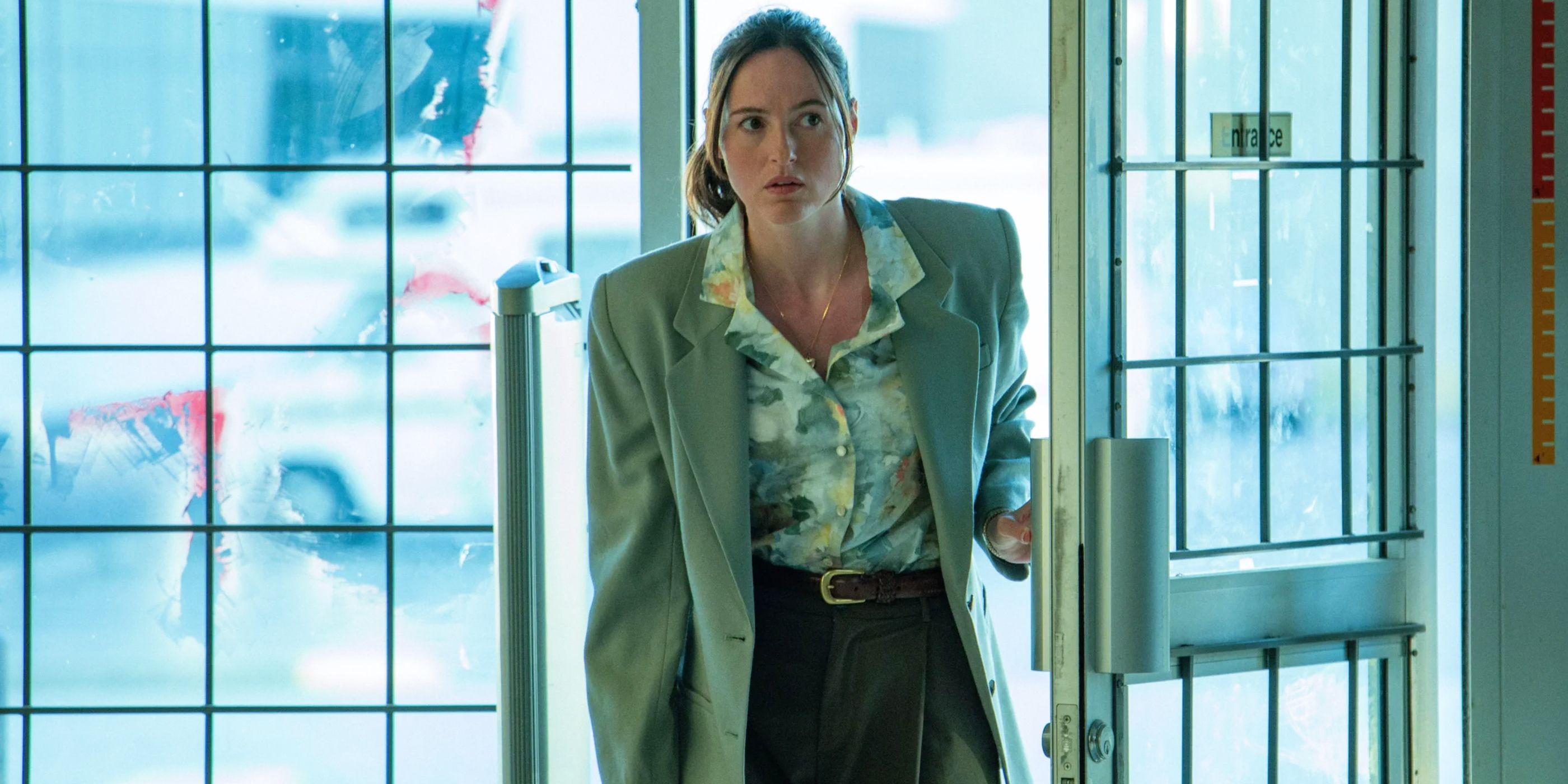
Backed by the state-owned film agency, “Luiza’s Desert” (“O Deserto de Luiza”) vies for the Golden Goblet in the festival’s main competition while “The Fabulous Time Machine” (“A Fabulosa Máquina do Tempo”) is in the documentary sidebar and “Heart of Darkness” (“Coração das Trevas”) in animation.
Led by its president Leonardo Edde, RioFilme also hopes to drum up business in the powerhouse Asian country as it seeks to put Rio de Janeiro firmly on the cinematic map.
“One of my main goals is to bring new opportunities back to Rio and help attract larger international co-productions. We already have a strong production services sector, but we want to go beyond that and become a hub for major co-productions as well,” he told Variety.
Most recently “Godzilla vs. Kong – The New Empire” shot in Rio as well as Netflix action series “Man on Fire,” starring Emmy-winner Yahya Abdul-Mateen II and Alice Braga. In past years, the coastal city hosted “The Fast & The Furious” 5 & 10, “The Expendables” and “The Twilight Saga: Breaking Dawn – Part 1,” among others.
Its other objective is to increase its exports—not only by providing production services but also by exporting Brazilian content and intellectual property.
“That’s one of the reasons I’m going to Shanghai. Right now, many countries and companies are looking to engage with the Chinese market, but our interest goes beyond simply accessing that audience. We also want to attract Chinese investment to Rio,” he said, adding: “There are many similarities between our industries, particularly in the way we view the audiovisual sector as a driver of economic growth through technology, innovation and infrastructure. I’m going there to start that conversation, explore potential partnerships and better understand what we can build together.”
Powered by a new investment package unveiled by Rio Mayor Eduardo Cavaliere at confab Rio2C in May, Rio de Janeiro’s goal to further bolster its film and TV industries has grown ever more tangible.
This package of $30 million in 2026 and US$43 million in 2027/28 includes public policies, grant programs and initiatives.
The creative economy already accounts for 5.2% of the state of Rio de Janeiro’s GDP, making it one of the strongest creative economies in Brazil, Edde pointed out.
Between 2021 and the first quarter of 2026, the Rio de Janeiro City Hall, through RioFilme, invested approximately $54.5 million in more than 600 audiovisual projects.
Beyond its production strength, Rio is Brazil’s leading market for domestic cinema, accounting for an average of 71% of audiences and 70% of box office revenue between 1995 and 2024. In 2024, the state released 68 films – nearly matching its all-time record set in 2017.
Later this year, Rio will once again offer its Cash Rebate Grant, a rolling program with a $3 million budget to support audiovisual productions. Eligible Brazilian productions from outside Rio and international projects can receive rebates of up to 30% of qualifying local expenses, while productions with Rio de Janeiro as their primary filming location may qualify for rebates of up to 35%.
Founded in 1992, what began as a distribution company grew into what it is today, an agency with a mission to grow Rio’s audiovisual industry, from development and production to distribution and even exhibition. Following the South Korean model, it’s offering movie vouchers to public school youth in a bid to restore audience attendance to at least pre-Covid levels.
The 28th Shanghai International Film Festival kicked off on June 12 and wraps June 21.