Anime has evolved over the past few decades, driven by technological advances and shifts in market demand that have rewritten the rules of production every decade. In light of this evolution, a handful of masterpieces have endured through the ages and remain relevant today, not only as exemplary anime but also as generational artworks that redefined the medium.
What distinguishes these titles from the rest is that they were not only exceptional for their time; they remain untouchable today, setting standards for production, animation, and storytelling that the industry has yet to replicate. They stand as reminders of what can be created when creative freedom, a good budget, and generational talent collide at the right cultural moment.
These anime set standards that the industry has measured itself against, often falling short. Some did so visually, with fluid, kinetic animation, while others did so through storytelling, demonstrating the medium’s capacity for emotionally gripping, mature stories. These eight anime are not just nostalgic but masterpieces in craft that the modern industry still fails to emulate.
Neon Genesis Evangelion redefined the mecha genre by subverting expectations and replacing typical heroic archetypes with raw psychological realism. The anime took a realistic approach to its teenage protagonists, treating them as prone to mental breakdown rather than heroic calling. The main character, Shinji Ikari, is grounded in trauma, a display of human frailty.
The story follows a traumatized teenager, Shinji Ikari, who is ordered by his absent father to pilot a giant biochemical weapon against monstrous beings called Angels that threaten the remnants of humanity. As the battle intensifies, the anime abandons spectacle for a brutal psychological exploration of depression, identity, and the horrors of human connection.
The creator of Evangelion, Hideaki Anno, made the most of a limited budget. His vision involved using long static shots, quick text intertitles, and experimental mixed media to reflect fractured mental states. This method transformed Evangelion into a visual storytelling masterpiece that other studios have struggled to imitate. It remains a timeless piece exploring the human psyche.
Many long-running shonen anime struggle with pacing issues, filler episodes, and inconsistent animation quality, but Studio Bones’ Fullmetal Alchemist: Brotherhood defies the trend and stands tall as the pinnacle of narrative efficiency. This 64-episode epic achieved a monumental industry feat by delivering jaw-dropping animation alongside a tight, gripping, high-stakes fantasy story with no narrative bloat.
The story follows brothers Edward and Alphonse, who pay a heavy price for attempting to use alchemy to resurrect their dead mother. Edward, the older brother, loses an arm and a leg, while Alphonse loses his whole body. Edward binds Alphonse’s soul to armor as they seek the Philosopher’s Stone to recover their losses, only to uncover a nationwide conspiracy.
Fullmetal Alchemist: Brotherhood stands out among its contemporaries for its consistent narrative and visual structure. Each episode contributes to the overarching story, avoiding filler, and the animation quality remains high throughout. In a market where many studios prioritize volume, the anime delivers a well-paced story that culminates in a satisfying, conclusive ending, a notable industry achievement.
Cowboy Bebop set the industry standard for stylistic flair, blending American jazz, cinematic noir, and martial arts into a space western. The anime took a different approach to sci-fi. Its episodic portrayal of the lives of drifting bounty hunters established a benchmark for effortless cool that the industry has yet to replicate.
Through Yoko Kanno’s legendary soundtrack, Cowboy Bebop creates a cool and melancholic atmosphere, blending kinetic, beautifully animated action with well-timed jazz, often in step with what is happening on screen. This combination turns a space epic following the lives of bounty hunters who catch Criminals into a soothing viewing experience unmatched by its peers.
Cowboy Bebop captures the melancholic and lonely adult experience. It takes a mature approach, choosing to linger on quiet moments, such as a cigarette burning in the rain, rather than rushing through exposition. It stands as a testament to the philosophy that it’s the empty spaces between the notes that make the music beautiful, trusting fans to fill in the gaps.
Time travel is a difficult subject for a story to tackle, and that is exactly why White Fox’s 2011 adaptation of Steins; Gate stands as the gold standard for time-travel epics, seamlessly incorporating it into its narrative. The anime exemplifies cause and effect, as time follows airtight rules, ensuring that every action has implications for time and the larger plot.
When a self-proclaimed “mad scientist” named Rinaro Okabe discovers that he can send text messages to the past using a microwave, He and his lab members begin experimenting with this power. They quickly discover that altering the past has catastrophic consequences on the present. Steins; Gate performs the herculean task of making time travel more than just a plot device.
Steins; Gate is a definitive masterclass in weaving a flawless, emotionally resonant narrative with a time-loop climax that doesn’t betray its own internal logic. It delves into the psychological degradation that comes with going through multiple timeloops, reliving traumatic events, and manages to deliver a conclusion that is satisfying to viewers and makes sense for the story.
Attack on Titan is set in a world where humanity is forced to live within massive concentric walls and follows the story of Eren Yeager, who joins the Survey Corps with his adoptive sister Mikasa and childhood friend Armin to hunt down Titans after the Colossal Titan broke into his hometown, resulting in the death of his mother.
Nothing is as it seems in Attack on Titan. What starts as a straightforward tale slowly unravels into a greater mystery filled with betrayals, plot twists, and developments that pay off things set up since the first episode. The anime’s ability to pay off established elements and reward viewers for their attention is what sets it apart from the rest.
In addition to its amazingly crafted narrative, Attack on Titan boasts some of the most beautifully animated and choreographed action pieces. Both WIT Studios and Mappa Studios, while working on the anime, delivered high-octane action and an amazing soundtrack that only served to elevate it to a status few have reached.
Mamoru Oshii’s 1995 cyberpunk masterpiece, Ghost in the Shell, set a monumental standard for philosophical sci-fi, leaving an unmistakable cultural impact on anime and cinema worldwide. The film explored the implications of cybernetic augmentation in an inspired cyberpunk world that favors realism over spectacle. It raised the bar for the cyberpunk genre, inspiring blockbusters such as The Matrix.
Set in a future where humans can cybernetically enhance or entirely replace their bodies, the story follows Major Motoko Kusanagi, a fully cyborg special ops agent, and her team, Section 9, as they hunt hackers, terrorists, and rogue AIs. It explores what it means to be human and whether one is still human after discarding flesh and bone in favor of cybernetics.
The story of Ghost in the Shell remains relevant in today’s climate. As AI becomes more prevalent, the series' core message comes off as prophetic. Its psychological exploration of humanity is amplified by stunning visuals and aesthetics that revolutionized the genre and haven’t been matched since the series’ creation.
Dragon Ball Z is rightfully often referred to as the grandfather of Shonen anime because it is the blueprint for modern Shonen. Akira Toriyama and Toei Animation crafted an anime with global appeal. Featuring fights that captured the massive scale of otherworldly beings moving at blinding speeds, with the capability to blow up planets.
Fights in DBZ are more like events. The anime can convey the weight of every strike and the sheer spectacle of planet-wide destruction through well-choreographed, masterfully crafted fight sequences. Moreover, DBZ stands out as a masterclass in the visual and emotional iconography of the “transformation”. The Super Saiyan transformation is still one of the most iconic transformation sequences in anime.
Beyond physical combat, DBZ became a global phenomenon, instrumental in promoting anime’s popularity in the West. What appears to be a simple story of the adventures of Son Goku is a narrative that delivers genre-defining transformations and emotional moments that made DBZ a global sensation, leaving studios trying to recapture the exact lightning in the bottle.
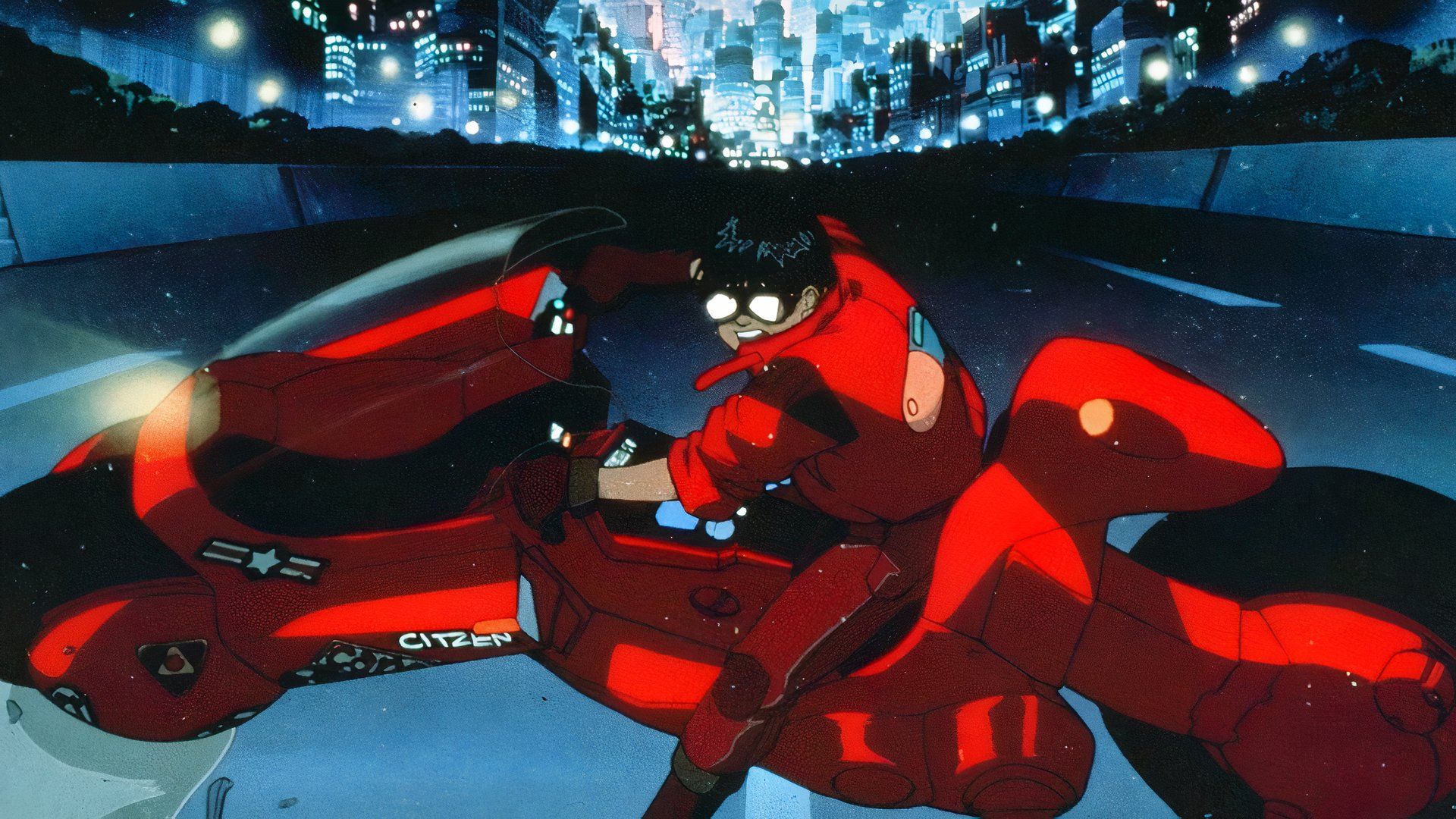
Akira is an anime film released in 1988 and set in the dystopian Neo-Tokyo, a large city rebuilt after a mysterious explosion destroyed the original Tokyo. A teenage biker, Kaneda, must save his friend Tetsuo and his city from total annihilation when Tetsuo resurfaces with uncontrollable godlike psychic powers.
The anime is a masterpiece of hand-drawn animation, depicting mind-bending psychic powers, complemented by a psychedelic score. Akira broke new ground by implementing traditional hand-drawn animation composed of over 160,000 individual cels and utilizing a record-breaking palette of 327 colors, 50 of which were engineered specifically for the movie.
Beyond its fluid animation, Akira shines as a gripping social commentary on political corruption, civil unrest, and technological hubris that remains relevant in today’s political landscape. Neo-Tokyo is a character in itself, suffocated by the consequences of human hubris. Akira is a benchmark for world-class animation and storytelling that hasn’t been matched since its release.