There's something so inherently striking and dynamic about the '80s as a period of filmmaking that made it one of the absolute best times for compelling family movies. Whether it was massive cultural milestones like E.T. the Extra-Terrestrial or beloved cult classics like Time Bandits, the decade continuously brought its best when it came to family entertainment. Even some of the bad family movies of the era like Mac and Me and The Wizard have secured distinct niches as extremely memorable, so-bad-they're-good classics.
However, the decade goes far beyond the immediately recognizable films from the era, as a wide array of great '80s family movies have simply been forgotten by most mainstream audiences. What especially stings is that these family movies have everything to be considered bona fide classics, but for one reason or another, have been forgotten in favor of the bigger, more prominent releases of the era.
Many family films cropped up in the wake of E.T.'s monumental success, blending sci-fi aliens with family storytelling in an attempt to capture the fervor that persisted throughout the decade. While many of these E.T. ripoffs ended up being awful sci-fi movies, *batteries not included instead finds success thanks to some genuine charm and character throughout. Its main strength comes from how it takes the initial concept of friendly aliens interacting with humanity and tells its own thematically resonant story with it.
The film follows a group of Manhattan apartment residents resisting the tactics being utilized by a greedy tycoon looking to demolish their apartments to make room for a new skyscraper. However, this battle for their homes takes an unexpected turn when a group of tiny mechanical aliens known as the Fix-Its witness this ongoing struggle and decide to help the tenants out.
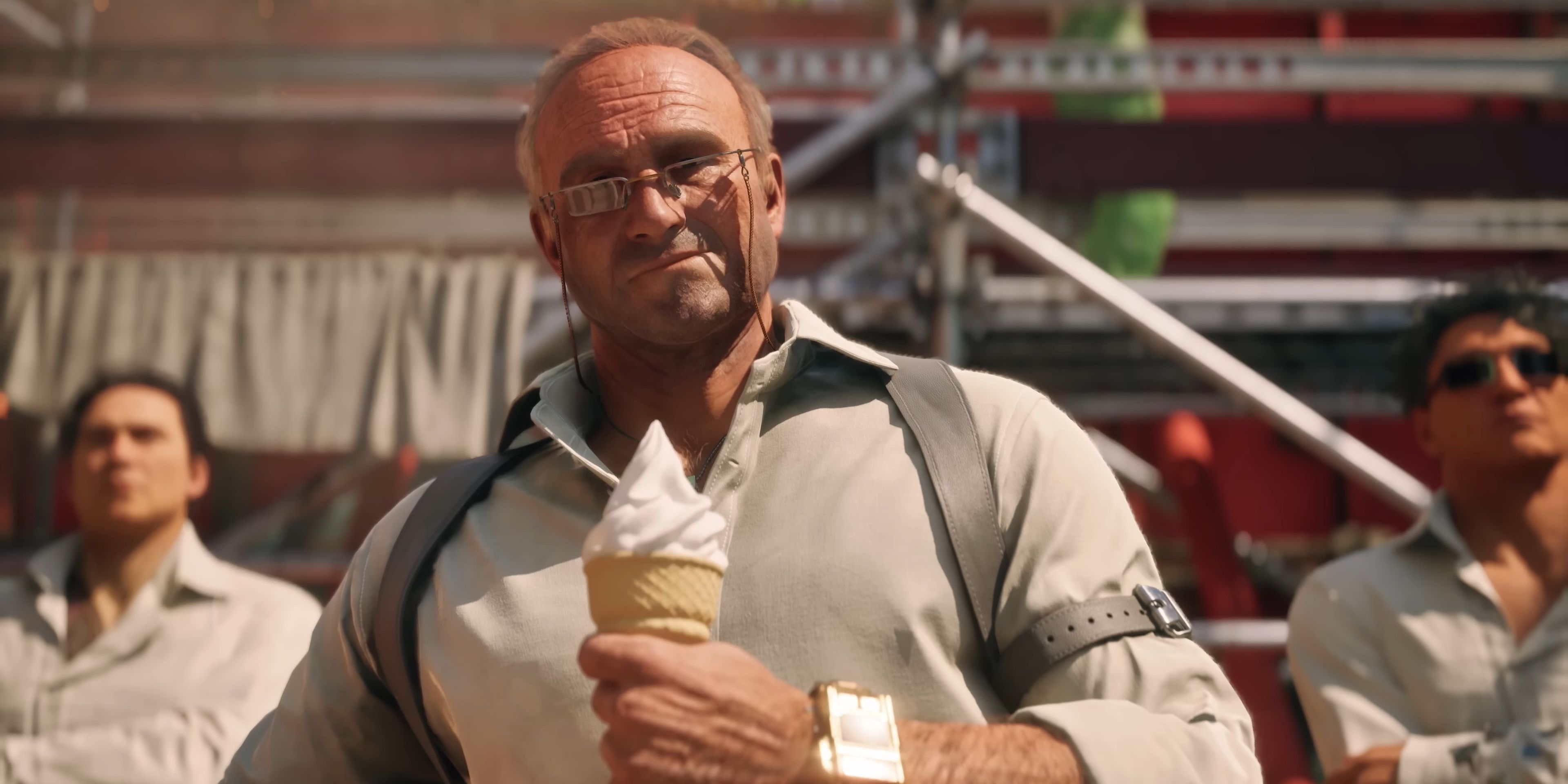
Body swap movies are an absolute classic of the comedy genre, finding success in the '80s and beyond and making great strides thanks to their ability to have actors play completely different styles of characters than usual. As far as '80s body swap family movies are concerned, it's hard to find a film more fun and well-crafted than Vice Versa, which sees a hard-working department store executive (Judge Reinhold) swapping bodies with his 11-year-old son (Fred Savage).
As is accustomed to body-swap comedies, the dynamic and wild performances from Reinhold and Savage are the clear standouts that make the film so great. While Reinhold's portrayal of the innocence and youthful spirit of a child is endearing, the real star is Savage, who seamlessly taps into the no-nonsense, stern demeanor of a businessman. However, in the world of body swap comedies, the film is often overlooked in favor of films like Freaky Friday, 13 Going on 30, and Big.
As one of the most legendary adventure novels of all time, Treasure Island has been adapted to film a multitude of times, with many memorable family movies tapping into its sense of adventure and betrayal. While films like Treasure Planet and Muppet Treasure Island immediately come to mind when considering the Robert Louis Stevenson adaptations, this wildly absurd animated film from Russia deserves much more love. Its sense of humor largely leans into the absurd, with exaggerated animation and constant slapstick giving it a distinct niche among other Treasure Island adaptations.
The film mostly follows the classic plot, with Jim Hawkins serving with pirate captain Long John Silver as they search for a treasure on the high seas. While it found some unexpected internet virality with several clips and side characters like Dr. Livesey, the actual film itself is still shrouded in obscurity.
One of the most immediately striking ways to get family audiences invested in a sprawling adventure story is to have the central heroes be real-life animals. Indeed, their cute factor and lovability amplify their connection with the audience. While many memorable family movies in the U.S., such as Homeward Bound and Babe, found success, the Japanese family movie The Adventures of Milo and Otis is massively underrated.
The film follows Milo, an orange tabby cat, and Otis, a pug, as they get separated from one another when Milo is swept away in a box floating in the river. As Otis chases after Milo, the duo each experience a wide array of obstacles as they embark on a glorious quest to reunite and return home. Despite it getting a relatively successful U.S. release, the film has been forgotten over time despite its overwhelming strengths.
High school coming-of-age films were an overwhelming trend that defined '80s filmmaking, both family-appropriate and highly raunchy adult films. However, with so many offerings to choose from, several great high school films of the '80s fell into obscurity, with My Bodyguard arguably being the best one. The film sees an easygoing enlisting the aid of an overgrown misfit to help intimidate other students so that he won't be bullied and have his lunch money stolen anymore.
What initially starts off as a business relationship between the two soon grows deeply personal, as their great success helps form a special friendship with each other during this important time in their teenage lives. The distinct friendship between the two leads of the film comes from a place of honest earnestness that is rare in the era as a whole.
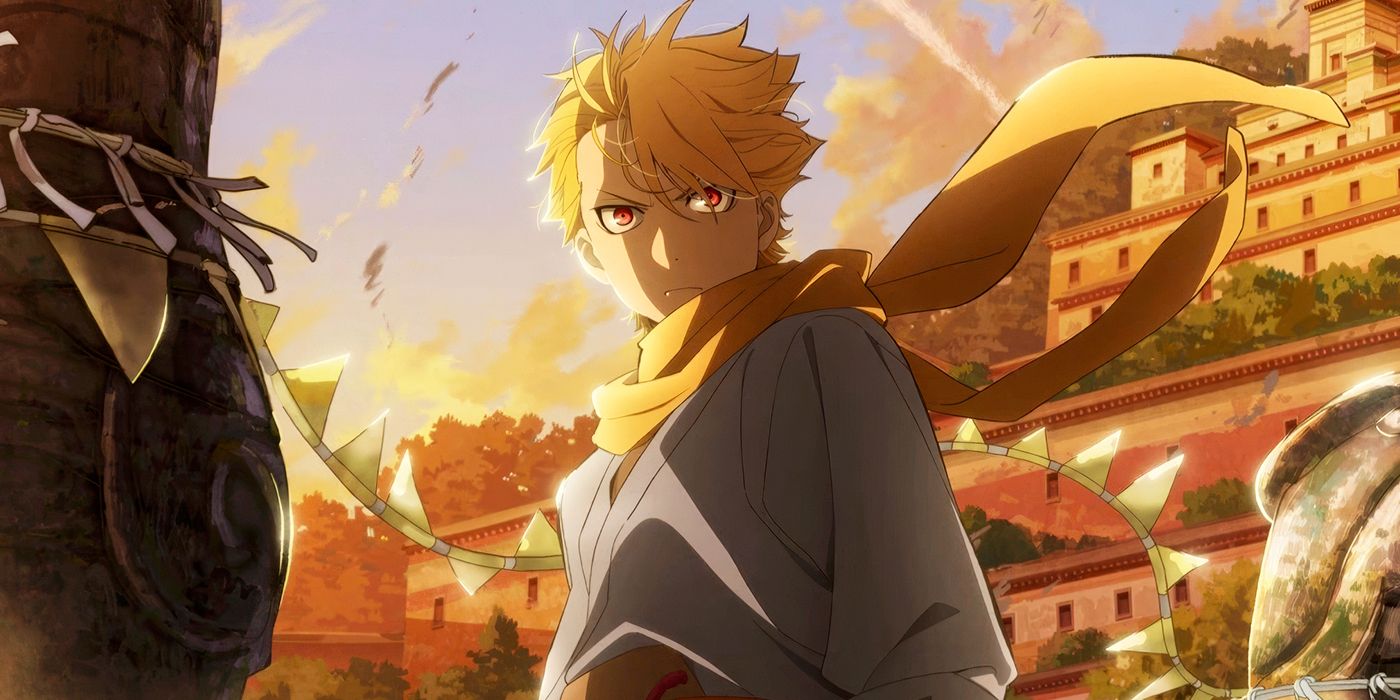
While Arthur Rankin Jr. and Jules Bass are often associated with their wide array of stop-motion offerings and classic holiday films, The Last Unicorn massively shifts away from their classic style, being an exceptionally beautiful 2D animated film that is arguably their highest-quality effort ever made. This sprawling fantasy tale was massively ahead of the curve, with its exceptional craft only growing more impressive with each passing year.
The film is about as classic and elegant as fantasy family movies get, with mesmerizing visuals and exceptional characterization further amplifying the near-perfect visual style. While The Last Unicorn has grown a cult following in the years since its release, its initial financial failure limited wide recognition for it. Nowadays, it is largely forgotten when considering the various works of Rankin Bass.
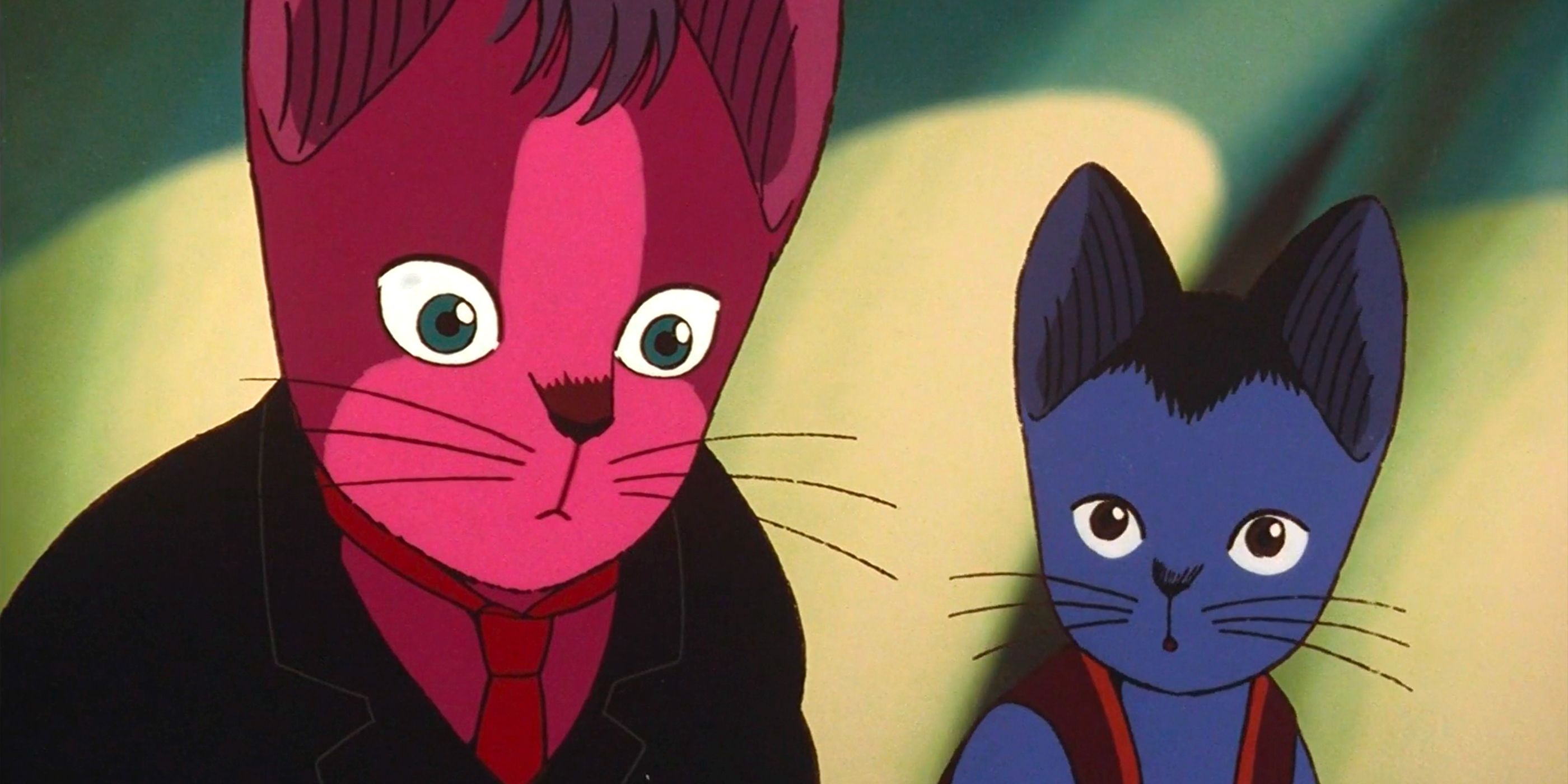
Adapted from a Japanese children's novel and employing a style of abstract melancholy energy as its central tone, Night on the Galactic Railroad is simultaneously comforting and insightful. The film is a surrealist masterwork different from every other family movie of the 80s, even predating many of the works of Studio Ghibli that would similarly tap into its beautiful, philosophical focus on animation.
This near-perfect 2D animated movie tells a beautiful story of friendship and connection at its center, with a duo of young cats embarking on a journey across the cosmos, experiencing all types of magical wonders. From conversations with the spirits of Titanic victims to unexpected religious symbolism and imagery, the film feels extremely unpredictable yet never loses its distinct charm and tonal brilliance. Over 40 years after its release, no other anime family movie comes close to replicating the feel and energy of Night on the Galactic Railroad.
Featuring what might just be the greatest animal performance of all time, The Bear is a feat of filmmaking brilliance as it tells a sprawling, emotional adventure that can be enjoyed by audiences of all ages. The film follows the bond that forms between an orphaned bear cub and the adult male bear that discovers him, as they work together to dodge the various human hunters surrounding the mountains. Without any spoken dialogue, the film does a masterful job of telling a story of emotional highs thanks to genuinely great performances from these bears.
This near-silent adventure film feels timeless in its execution, able to be enjoyed and appreciated worldwide for its exceptional story of perseverance and connection. While the film was a massive critical success when it first released, earning over $100 million worldwide and even having a small campaign to get Bart the Bear nominated for Best Actor, it has sadly been overlooked as far as '80s family masterpieces are concerned.
While audiences have grown to be more conscious and accepting of worldwide cinema in recent years, a wide array of well-crafted foreign language films of the past have had minuscule legacies compared to their English-speaking contemporaries. One of the absolute best examples of a truly great film overlooked for this reason is Peruvian family drama Juliana, a powerful story of gender roles and their connection with youth gang violence.
The film follows a little girl named Juliana, who, in an attempt to connect with her brother, dresses up and poses like a boy so that she can join his gang. This story of rebellion and the strength required of children at a young age conveys a powerful message made all the more impactful by its striking execution. It's the type of film that would be unanimously praised as one of the best of the decade if it weren't limited by its inability to break through the cultural barrier.
While sad movies about lovable dogs have been a staple of cinematic storytelling since the classic era of cinema with Old Yeller, no singular dog movie is so powerful and near-perfect in its emotional storytelling as Japanese family movie Hachiko. The film follows the tragic true story of the dog Hachiko, whose love and passion for his master were so powerful that even after his master died, he stayed waiting at the train station for years.
The powerful true story that it's based on has been similarly adapted into film and television other times, such as in the American film Hachi: A Dog's Tale or the Futurama episode Jurassic Bark. Still, this original Japanese film is the absolute best portrayal of Hachiko. It fully understands the emotional pain and weight of its story, feels powerful, and its execution is about as beautifully crafted as a family movie can get.