Amanda M. Castro is a Network TV writer at Collider and a New York–based journalist whose work has appeared in Newsweek, where she contributes as a Live Blog Editor, and The U.S. Sun, where she previously served as a Senior Consumer Reporter.
She specializes in network television coverage, delivering sharp, thoughtful analysis of long-running procedural hits and ambitious new dramas across broadcast TV. At Collider, Amanda explores character arcs, storytelling trends, and the cultural impact of network series that keep audiences tuning in week after week.
Born and raised in Puerto Rico, Amanda is bilingual and holds a degree in Communication, Film, and Media Studies from the University of New Haven.
Bowen Yang’s departure from Saturday Night Live could have been another chapter in the show’s long history of cast shakeups. Instead, the circumstances surrounding his exit revealed something more interesting: the reason the institution has survived for more than five decades. After seven seasons, Yang recently revealed that he had been prepared to leave following Season 50. In his mind, SNL was “in a great place” without him.
Then Lorne Michaels called—with several cast members leaving and a new generation arriving, the producer asked Yang to remain for part of Season 51 and help guide the incoming talent. It’s a telling moment. For all the celebrity that comes with being an SNL star, the show’s longevity has never been built around any one person, and it survives because each generation passes something down to the next.
One of the reasons Saturday Night Live has endured for 50 years is that it rarely starts over from scratch, but Season 51 brought one of the biggest cast shakeups in years. Rather than allowing an entirely fresh group to fend for themselves, Michaels wanted veterans around to provide stability. Yang recalled being told that the new hires needed someone to “set an example,” and he admitted it was the first time he had heard the legendary producer explicitly say, “I need you.”
That request transformed Yang’s final season into something different, as he was helping the next generation of the show begin. The most revealing detail came from newcomer Ashley Padilla. In a message Yang later shared, she thanked him for teaching her “how to be at this show, how to behave and how to treat people.” This may sound small, but those lessons are part of the invisible culture that has allowed SNL to outlast countless changes in television. Sketches come and go, and catchphrases fade, but what remains is the knowledge veterans pass on to the people who replace them.
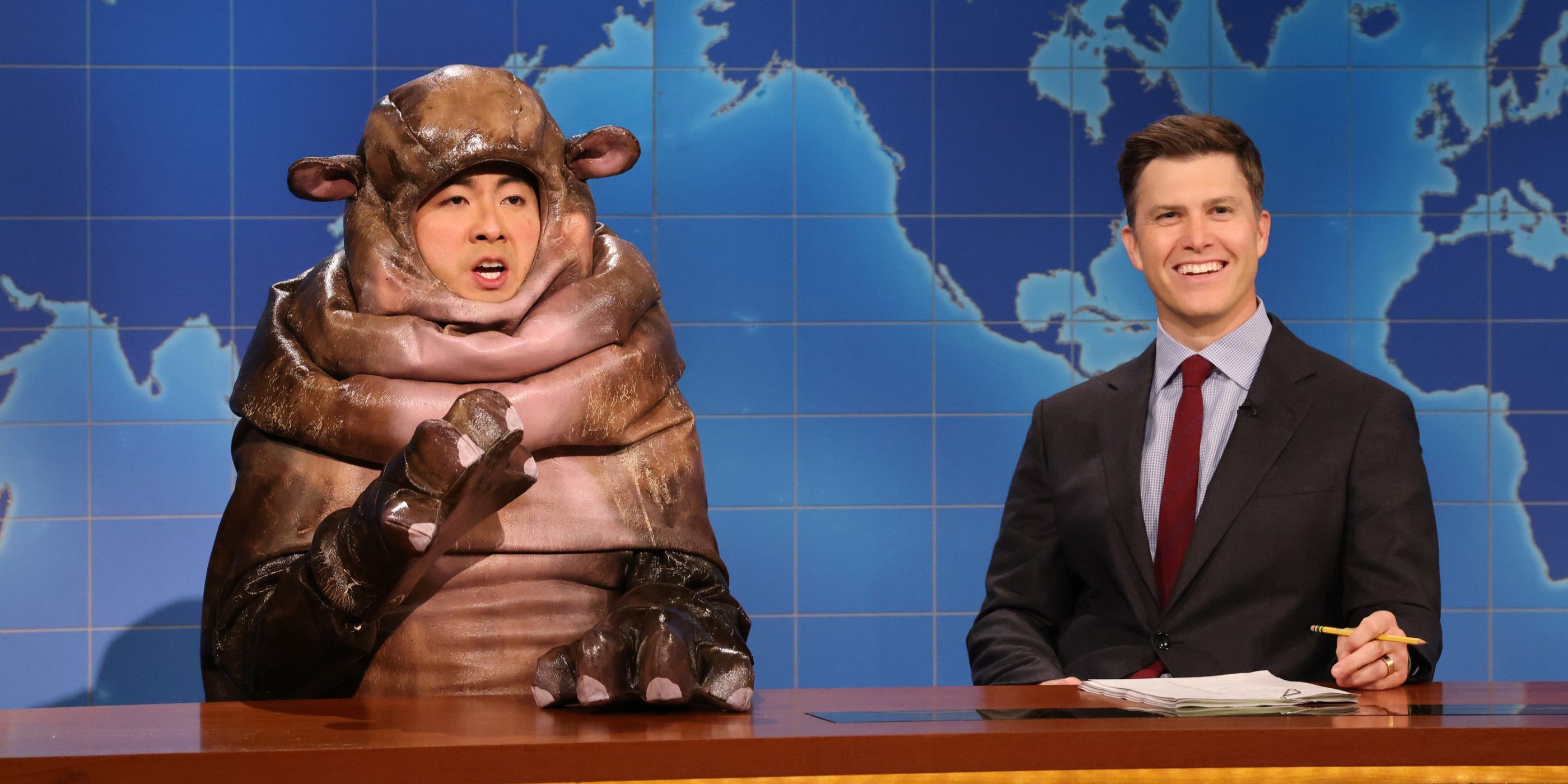
Plenty of beloved cast members have left SNL, and very few have done so while insisting the show would be just fine without them. Yang repeatedly downplayed his importance to the series, describing himself as “the seasoning.” Even after becoming the first featured player in the show’s history to earn an Emmy nomination for supporting actor, he never viewed himself as the center of the machine, which is an attitude that says a lot about how SNL operates.
From Eddie Murphy to Tina Fey, Kristen Wiig, and Kate McKinnon, the show has launched generation after generation of stars without becoming dependent on any of them. Cast members leave, new voices emerge, and still, the institution keeps moving. Yang himself represents that cycle. He joined the show as a writer in 2018, became an on-air player the following year, and eventually established himself as one of the defining performers of the era. Now, newer cast members are beginning the same journey. His farewell sketch, which brought together Ariana Grande, Cher, and much of the staff that works behind the scenes, reflected what he said mattered most: the people and community.
The easiest way to understand Saturday Night Live’s staying power is to look at the numbers. Even in its 50th season, the NBC institution remained broadcast television’s top entertainment series among adults 18–49, averaging more than 8 million viewers across linear and streaming platforms. The anniversary special became an event in itself, ultimately attracting nearly 23 million viewers.
Those figures belong to a show that has spent decades adapting, which is why Yang’s exit feels like another strong handoff. The show’s history is full of departures that once seemed impossible, yet somehow, another class arrives, another era begins, and Saturday Night Live finds a way to reinvent itself again. Yang may have become one of the defining faces of modern SNL, but his final act helped ensure that the next generation would be ready when it was their turn, and that’s exactly how Saturday Night Live has survived all this time.