Amanda M. Castro is a Network TV writer at Collider and a New York–based journalist whose work has appeared in Newsweek, where she contributes as a Live Blog Editor, and The U.S. Sun, where she previously served as a Senior Consumer Reporter.
She specializes in network television coverage, delivering sharp, thoughtful analysis of long-running procedural hits and ambitious new dramas across broadcast TV. At Collider, Amanda explores character arcs, storytelling trends, and the cultural impact of network series that keep audiences tuning in week after week.
Born and raised in Puerto Rico, Amanda is bilingual and holds a degree in Communication, Film, and Media Studies from the University of New Haven.
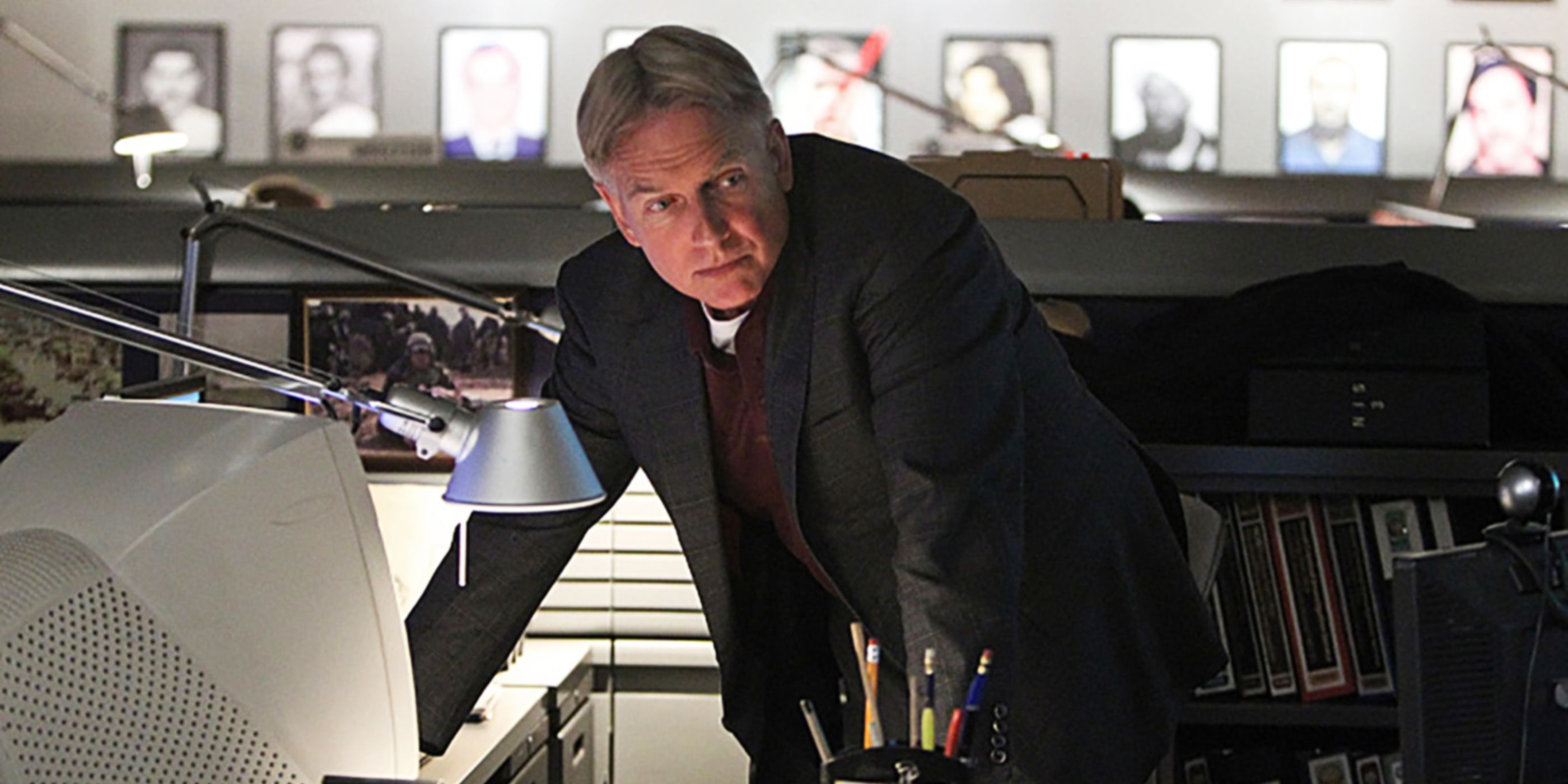
Four years ago, the idea of NCIS continuing without Leroy Jethro Gibbs felt almost impossible to imagine. Mark Harmon’s stoic team leader had been the face of the franchise since the beginning, and when he stepped away in Season 19, there were plenty of questions about whether the procedural could survive without him. At the time, every new episode seemed to carry the same underlying question: What does NCIS look like after Gibbs? As Season 24 approaches, that question finally feels answered.
The series has spent the last several years proving that it could survive the departure of its most iconic character. Now, for the first time since Harmon left, NCIS appears ready to stop rebuilding and start defining itself on its own terms. Season 24 has the potential to become the show’s first era that isn’t shaped by filling the void Gibbs left behind.
It’s hard to overstate just how important Gibbs was to NCIS. For nearly two decades, he was the center of the series. His rules, his relationships, and his larger-than-life presence became inseparable from the show’s identity. Even behind the scenes, there was concern about what the future might look like after Harmon stepped away. Executive producer Charles Floyd Johnson later admitted in an interview with The Hollywood Reporter that many involved with the series initially believed Harmon’s departure could signal the end of the road. After all, replacing a character who had spent 19 seasons at the heart of the franchise was never going to be easy.
The years immediately following Gibbs’ exit reflected that uncertainty. Understandably, much of the conversation surrounding NCIS revolved around whether the series could function without him. Every cast addition, every leadership decision, and every new storyline was measured against the standard Gibbs had established. It was simply the reality of losing a character who had become synonymous with the franchise itself.
One of the smartest decisions NCIS made was refusing to turn Gary Cole’s Alden Parker into a Gibbs clone. The producers deliberately approached Parker as his own person and not as a replacement, per the THR interview. Parker’s more relaxed leadership style immediately distinguished him from his predecessor, allowing the series to evolve rather than remain trapped trying to recreate something that couldn’t be recreated.
Sean Murray recently recalled feeling relieved when he learned Cole would be joining the cast, and the reaction has proven justified. Parker gave the show some room to establish a new rhythm, and fans embraced that difference. Parker interacts with the team differently, operates differently, and leads differently. Most importantly, NCIS never treated him like “the new Gibbs.” The series understood that there would only ever be one Gibbs, and it stopped pretending otherwise.
Even the show’s use of Gibbs since Harmon’s departure reflects that confidence. References to him have remained sparse and purposeful. Executive producer Steven D. Binder has openly expressed a desire to preserve the character's mythology rather than bring him back simply for nostalgia’s sake. When Gibbs recently played a role in helping Parker protect his family, it felt significant precisely because the show hadn’t spent the last four seasons relying on him.
Season 23 changed the landscape of NCIS in ways that had nothing to do with Gibbs. The shocking death of Director Leon Vance (Rocky Carroll) and the explosive cliffhanger involving Nick Torres (Wilmer Valderrama), not to mention McGee’s (Murray) newly discovered son, have created a series of questions that belong entirely to the current cast. Valderrama has already teased major changes and major additions heading into Season 24. Whether those changes involve new characters, shifting dynamics, or a larger shakeup within the team, the focus appears to be firmly on the future.
For years, NCIS had to prove that it could survive without Gibbs, and it did. In fact, the show survived well enough to make it through another four seasons, continue expanding its franchise, and establish a core group made up of Parker, McGee, Torres, Knight (Katrina Law), Palmer (Brian Dietzen), and Kasie (Diona Reasonover). If the hints surrounding Season 24 prove accurate, NCIS may finally be reaching that point. Four years after Gibbs’ departure, the series no longer feels like it’s waiting for its legendary leader to return. Rather, it looks like a show ready to embrace whatever comes next. And after 23 seasons, that’s a remarkable accomplishment in its own right.