The Last of Us was among the most emotionally gripping and immersive video games of all-time, and Craig Mazin’s adaptation for HBO has certainly lived up to that potential. While The Last of Us has delivered a cinematic quality in its first few installments, it’s also a grim reminder of the not-so-distant past. A future overrun by a pandemic, police brutality, an authoritarian state, social unrest, and broken families feels particularly grim, and any casual viewers expecting a zombie action series in the style of The Walking Dead may have to adjust their expectations. Those who seem to enjoy emotionally gripping, haunting shows about the future will want to make use of their HBO subscriptions and check out the incredible miniseries, Station Eleven.
Like The Last of Us, Station Eleven already had a built-in fan base with sizable expectations ahead of its premiere episode. The miniseries was inspired by the acclaimed post-apocalyptic novel of the same name by Emily St. John Mandel, which had drawn critical acclaim when it hit bookshelves in 2014. The series examines the immediate aftermath of a flu pandemic that leads to the collapse of the world’s infrastructures and civilization; the initial ramifications are intertwined with a storyline that takes place two decades later. While Station Eleven’s plot may seem like an attempt to examine COVID-19 and its effects, the series was actually in production before the world shut down in March 2020.
Both The Last of Us and Station Eleven can be defined as works of “hard genre” storytelling. While both incorporate fantastical visions and predict future events, they take place in realistic worlds and explore their characters on an intimate level. Both shows are about the collapse of society, but they’re more than just an exercise in misery; there’s reason to feel hope in what they say about grief, healing, and the future. If you’re prepared for another unforgettably riveting series in between installments of The Last of Us, Station Eleven is equally worthy of commitment.
One of the aspects of The Last of Us that has been inventive is the nonlinear storytelling. The series chooses to divert from the original game’s narrative in its opening moments when it shows a flashback to a 1968 television interview in which two scientists discuss the possibilities of a fungal virus and what the potentially devastating impacts may be; it then flashes forward to a shocking moment in 2003 when Joel (Pedro Pascal) loses his daughter Sarah (Nico Parker) in the immediate aftermath of the breakout. This grounds the series in emotional stakes and explains the inception of the shutdown, and serves as a great point of comparison to what reality looked like in 2003. The flashbacks in Station Eleven serve a purpose in establishing an emotional hook and creatively fleshing out the worldbuilding.
Your answers point to the world your instincts were built for. This is the universe your temperament, your survival instincts, and your particular brand of stubbornness were made for.
You took the red pill a long time ago — probably before anyone offered it to you. You're a systems thinker who can't help but notice the seams in things.
The wasteland doesn't reward the clever or the well-connected — it rewards those who are hard to kill and harder to break. That's you.
You'd survive here because you know how to exist in moral grey areas without losing yourself completely.
Arrakis is the most hostile environment in the known universe — and you are precisely the kind of person it rewards.
The galaxy far, far away is vast, loud, and in a constant state of violent political upheaval — and you wouldn't have it any other way.
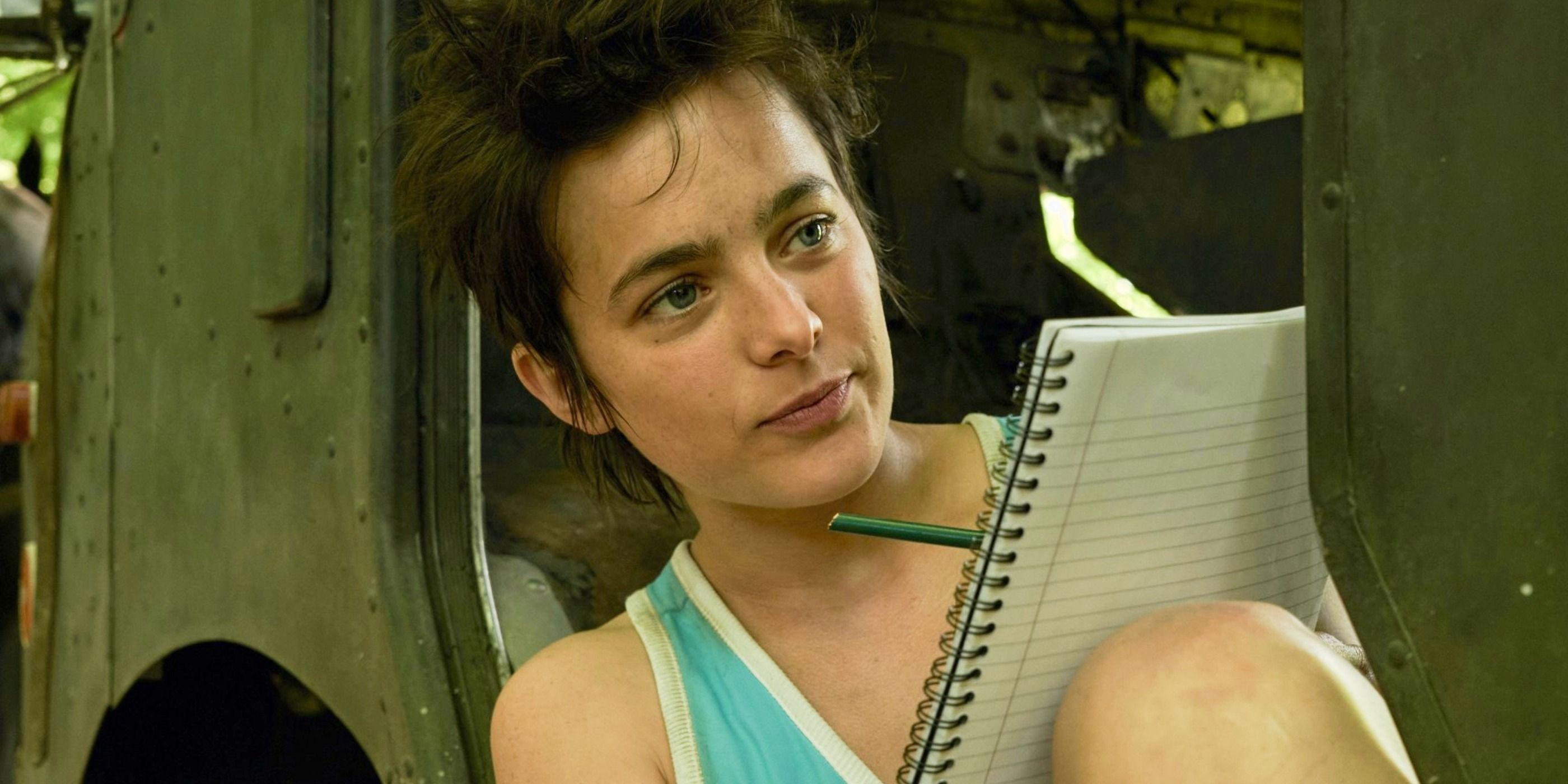
Station Eleven also begins with a shocking death — paramedic Jeevan Chaudhary (Himesh Patel) is watching a production of King Lear in Chicago when the lead actor shockingly collapses on stage; similar to how Sarah’s death comes from a gunshot and not a zombie, there’s a grim realism to this actor’s death from natural causes. Beyond establishing how the shows will address depth, they both allow the viewers to invest in a sympathetic lead character. Jeevan desperately attempts to save the man’s life before he dies and ends up watching over a young cast member named Kirsten (Matilda Lawler). He’s no parent and has little experience with children, but Jeevan sees a child in danger and keeps Kirsten safe in his apartment as he plans for the future; it makes the future even more powerful when we see how an older Kirsten (Mackenzie Davis) retains that kindness.
It’s also quite notable that both shows feature an unexpected paternal figure who has to adjust their perspective after caring for a young girl. Neither Joel nor Jeevan was expecting to have anyone to look out for but themselves; Joel is still in grief two decades later, and Jeevan has to suddenly adjust to a mentor role by hiding out with his brother Frank (Nabhaan Rizwan). Similar to Joel’s relationship with his brother Tommy (Gabriel Luna), the sibling dynamic between Jeevan and Frank adds a bit of context and creates some light banter. Both Tommy and Frank are optimistic in nature, which is contrasted by Joel and Jeevans’ more bitter attitudes.
Both shows are incredibly creative in how they establish the social culture that emerges as a result of the pandemic. By the time that 2023 begins in The Last of Us, a subculture of black market dealers and smugglers has emerged, and Joel takes jobs from his accomplice Tess (Anna Torv). Station Eleven finds a niche of its own as it unpacks the acting company known as the “Travelling Symphony.” Inspired by both her experience on the stage and her own obsession with a particular graphic novel, Kirsten finds a place and a new family in the Traveling Symphony and channels her anxieties into creating a work of art that will stand the test of time. Neither show is trying to capture what the entire world looks like; they examine the macro through the micro.
It’s interesting to see how The Last of Us resets our understanding of events, as in this world, Barack Obama was never elected President. Similarly, Station Eleven halts the timeline in 2020, and so the culture that exists then evolves by the time Kirsten is an adult. While certain works of art stand the test of time, as Shakespeare is prominently featured, there has also been enough of a gap that new traditions, pieces of art, and cultural icons have emerged. Due to the societal upheaval, none of these new customs has become widespread.
While The Last of Us is already a hit, it’s not going to overstay its welcome, as Mazin has suggested that there will be only two seasons to properly adapt the original game. Similarly, Station Eleven makes additions to the novel, but its story is wrapped up in a tight 10 episodes. These shorter lengths make it easier to engage as a viewer, as going in, you know that the emotional scenarios you are watching won’t occupy your time for too long. Both shows have a plan for their conclusion, and they’re worth investing in because the payoff is guaranteed.
Station Eleven is now streaming on HBO Max.
Created by Patrick Somerville, Station Eleven is based on a novel (featuring the same name) by author Emily St. John Mandel. The series's premise sees individuals attempting to adapt to life in a post-apocalyptic dystopia. A group tries to support their new lives as traveling performers only to come face to face with a cult.